

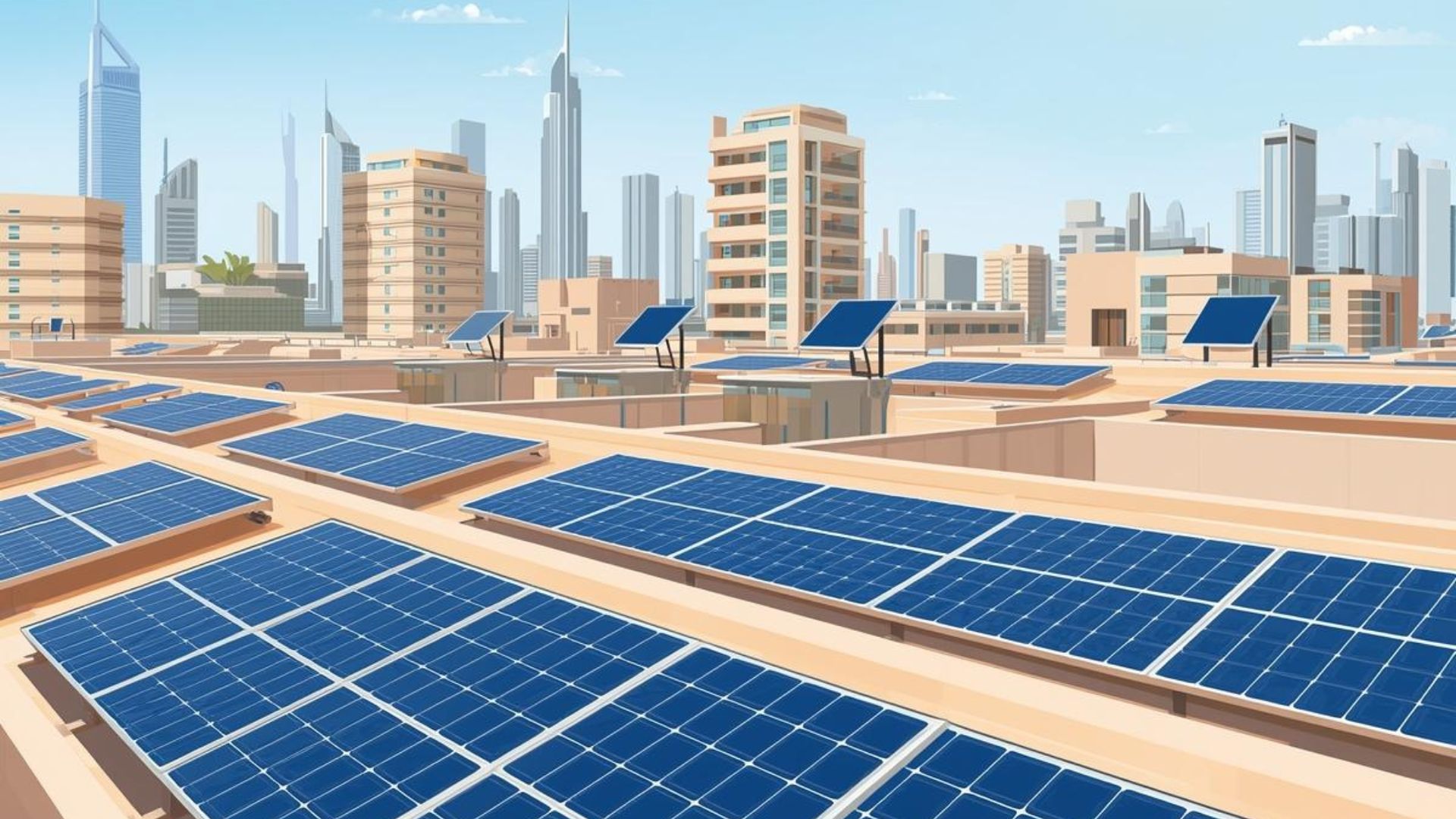
How On-Grid Solar Systems Work in Dubai, Why They Make Sense, and How to Install Them the Right Way
Dubai’s shift toward clean energy is no longer a future plan—it’s already happening across villas, offices, warehouses, and commercial developments. Among all available solar options, the grid-tied solar system in Dubai has become the most widely installed and financially practical solution for property owners who want lower electricity bills without compromising reliability.
Backed by the DEWA Shams Dubai initiative, grid-tied systems allow you to generate your own solar power during the day while staying connected to Dubai’s stable electricity grid. The result is a smooth, efficient setup that delivers real savings without the complexity of batteries or backup systems.
This guide explains how grid-tied solar systems work in Dubai, who they are best suited for, and what to expect during installation—based on real-world conditions, not theory.
What Exactly Is a Grid-Tied Solar System?
A grid-tied solar system is a solar power setup that operates alongside the utility grid. During daylight hours, your solar panels produce electricity that is used instantly by your home or business. If your system generates more power than you need, the excess is automatically sent back to the grid.
At night or during periods of low sunlight, electricity is drawn seamlessly from the grid. There is no manual switching, no interruption, and no change in how you use power day to day.
In Dubai, this system works under net metering, meaning exported solar energy is credited against future electricity usage—making grid-tied systems especially attractive from a cost perspective.
Related reading:
Why Grid-Tied Solar Systems Work So Well in Dubai
Dubai offers near-ideal conditions for grid-tied solar. High sunlight levels, a dependable grid, and clear regulations all contribute to strong system performance and predictable savings.
- Abundant sunshine throughout the year
- Reliable grid power with minimal outages
- No requirement for batteries in most cases
- Lower upfront costs compared to hybrid systems
- Simple operation and low maintenance
For most villas, offices, retail outlets, and industrial buildings, a grid-tied solar system in Dubai delivers the best balance between investment cost and long-term benefit.
How a Grid-Tied Solar System Operates Day to Day
From the user’s perspective, a grid-tied system is almost invisible—it works quietly in the background while you use electricity as usual.
- Solar panels generate power from sunlight
- The inverter converts that power into usable electricity
- Your building consumes solar energy first
- Any excess power is exported to the DEWA grid
- The grid supplies power whenever solar output is insufficient
This automatic flow ensures consistent power availability without changing how your electrical system operates.
Main Components of a Grid-Tied Solar System
Although grid-tied systems are simpler than battery-based setups, component quality still matters greatly.
- High-efficiency solar panels (typically monocrystalline)
- DEWA-approved grid-tied inverter
- Bi-directional net meter
- Mounting structures suited to rooftops or carports
- Electrical protection and safety equipment
Using certified components ensures safety, stable output, and a longer system lifespan.
Grid-Tied Solar for Villas and Residential Properties
For villa owners in Dubai, grid-tied solar systems are often the simplest way to reduce monthly electricity bills. Most residential systems are designed to offset daytime consumption while exporting surplus energy during peak sunlight hours.
Because Dubai’s grid is stable, battery storage is rarely necessary for residential users.
Commercial & Industrial Grid-Tied Solar Systems
Commercial and industrial properties often see the fastest returns from grid-tied solar systems due to consistent daytime energy usage.
Typical applications include:
- Office buildings and business parks
- Warehouses and logistics centers
- Manufacturing facilities
- Malls, hotels, and retail complexes
Explore commercial solutions:
DEWA Approval & Shams Dubai Net Metering
Every grid-tied solar system in Dubai must follow the Shams Dubai approval process. This ensures safety, grid compatibility, and accurate net metering.
- Initial site assessment and system design
- Submission of drawings and documents to DEWA
- Installation by an approved contractor
- Inspection and system testing
- Net meter installation and final activation
An experienced installer handles these steps smoothly, avoiding unnecessary delays.
Installation Process: What to Expect
A smooth installation follows a clear, structured process—from assessment to commissioning.
Proper planning at this stage directly affects system performance and longevity.
Grid-Tied vs Hybrid Solar Systems: A Practical Comparison
Hybrid systems include batteries for backup power, but they also add cost and maintenance. In Dubai, where power outages are rare, most users find grid-tied systems more practical.
- Grid-Tied: Lower cost, higher ROI, minimal upkeep
- Hybrid: Backup power, higher upfront investment
For the majority of properties, grid-tied remains the preferred option.
Cost, Savings & Return on Investment
The cost of a grid-tied solar system in Dubai varies based on system size, roof structure, and energy usage. Most systems achieve payback within 3 to 6 years, followed by decades of reduced electricity costs.
ROI depends on:
- Panel efficiency and system size
- Daytime energy consumption patterns
- Electricity tariff structure
- Quality of installation
Why Choose RBC Engineering
RBC Engineering is a UAE-based provider of solar and EV energy solutions, known for practical engineering, regulatory compliance, and transparent project execution.
- DEWA-compliant designs
- Tier-1 components
- Clear timelines and documentation
- Post-installation monitoring and support
Explore our full capabilities:
📞 Contact RBC Engineering – Grid-Tied Solar Systems That Make Sense
If you are considering a grid-tied solar system in Dubai—whether for a villa, office, or industrial facility—the best results come from a system designed around your actual usage and long-term goals.
RBC Engineering provides end-to-end grid-tied solar solutions, from design and approvals to installation and ongoing support.
📞 Call: +971 555 022 471
📧 Email: info@rbcengineering.ae
🌐 Visit: Solar Energy Systems by RBC Engineering